Everlane Sponsorship
[Continuation of How Do You Wear? senior thesis]
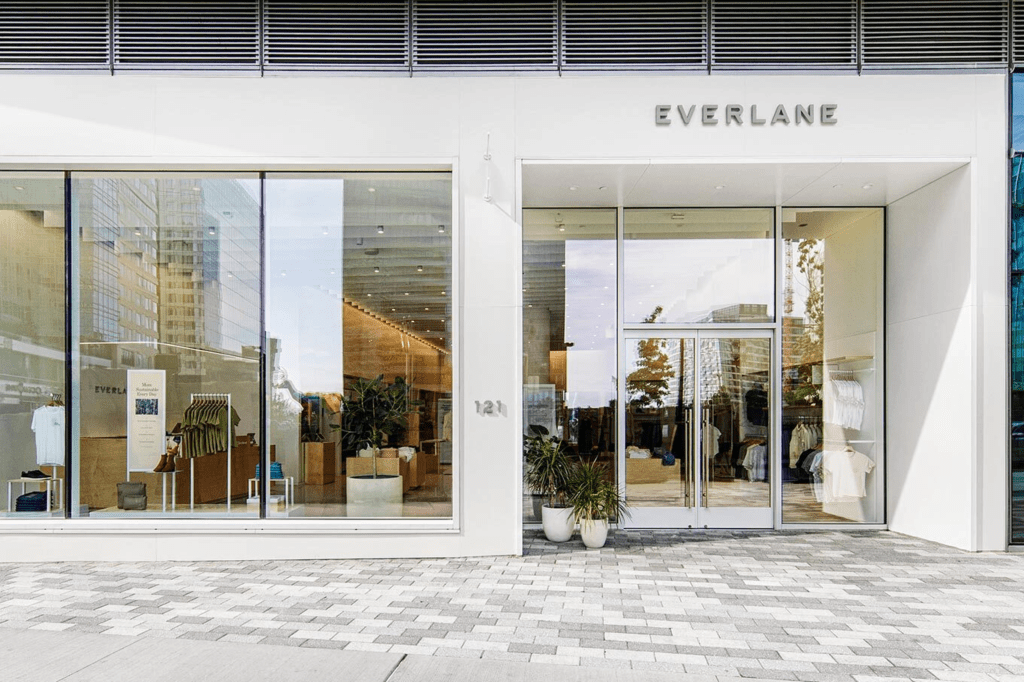
Because I was working through co-design with multiple collaborators, I needed a supply of real, high-quality garments to work with. Natural fibers like cashmere and cotton behave differently under friction from crutches or wheelchairs, and I wanted to test directly on sweaters that I knew were ethically sourced and 100% natural.
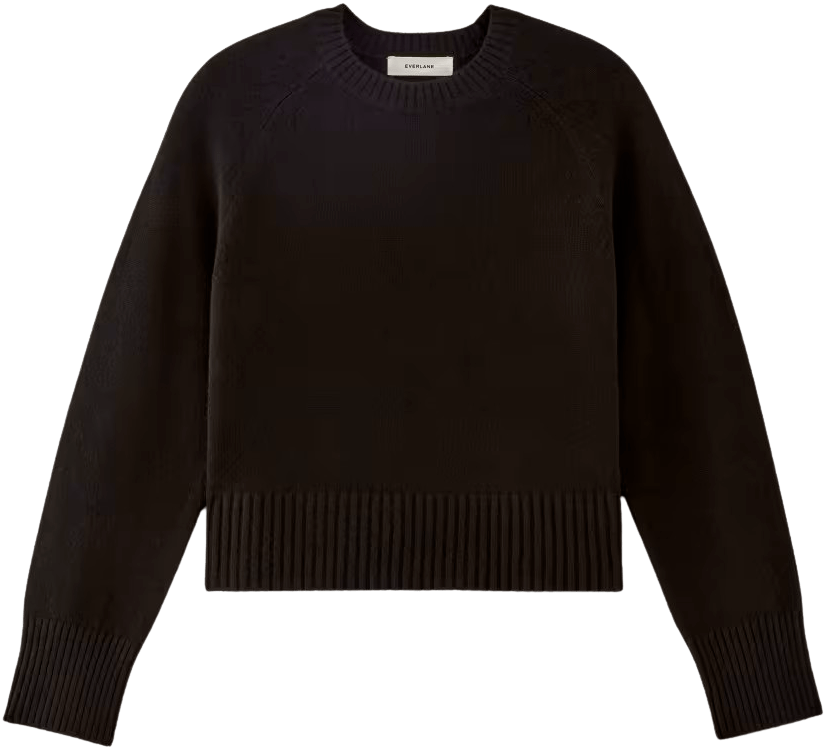
As a student, I couldn’t afford to buy enough garments for everyone involved. To do the work seriously, I needed a brand that could offer material support.
.
.
Why Everlane?
Everlane was the first brand where I noticed this problem — my own cashmere sweaters wore out at the forearms in under six months. The irony stuck with me: garments marketed as “lifelong” weren’t holding up under disabled use. Not because of poor quality — quite the opposite, because these garments were so organic, they actually hold up much worse to friction than synthetic garments.
That realization revealed a deeper overlap: disability and sustainability are connected. The assumption that high-quality clothing lasts is built around a normative body. If you use adaptive tools, lifespan looks different.
I also genuinely loved the brand — their ethical sourcing and transparency aligned with the values of my work (and their cashmere boxy crew is my favorite sweater.)
.
Cold Email –> Connection
I cold emailed Everlane’s Sr. Director of Sustainability & Sourcing, explaining my thesis, and hope for their sponsorship through donations of sweaters. To my delight they wrote back! Throughout my thesis we communicated back and forth with updates on material needs and where my thesis work was going.
Here is a deck I put together for one of our meetings which reiterates the project and provides examples of my usage of their sweaters:
Future Work with Everlane
As the project continued, I put together a deck outlining potential future collaborations — from reinforced patch kits to an adaptive sweater capsule to co-design partnerships with disabled communities.

