Hi, I’m Sydney
I am passionate about integrating
co-design, fabrication, & accessibility
Check Out:


Senior Spring Updates (May 2025)
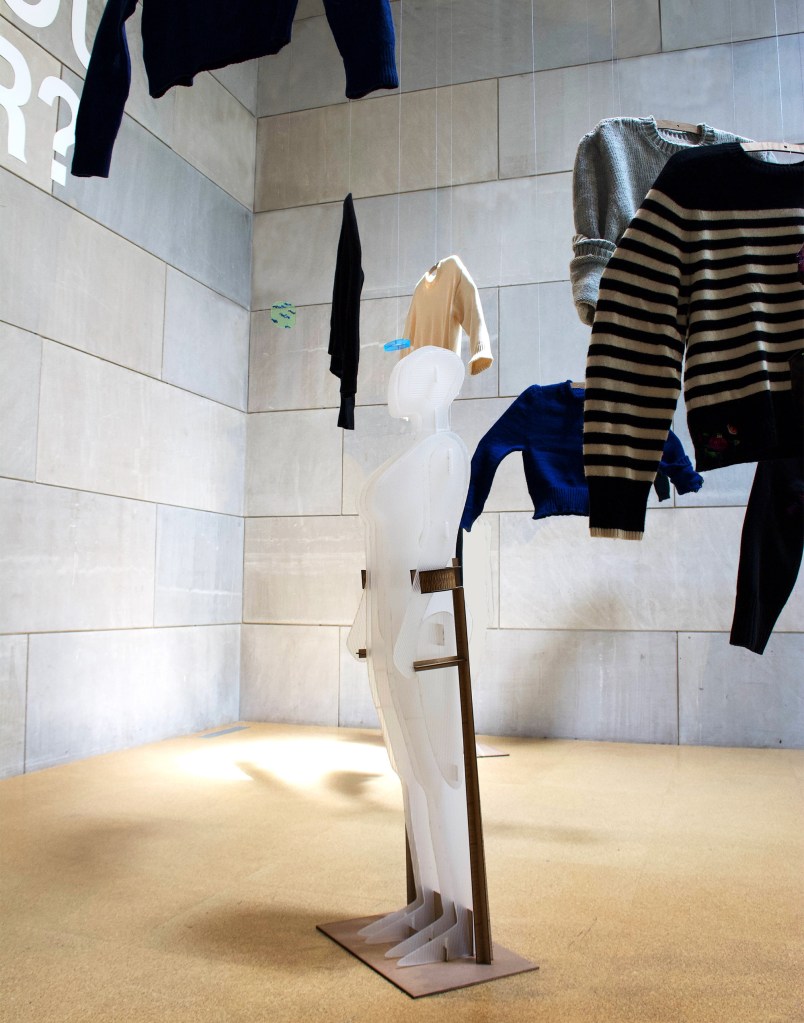
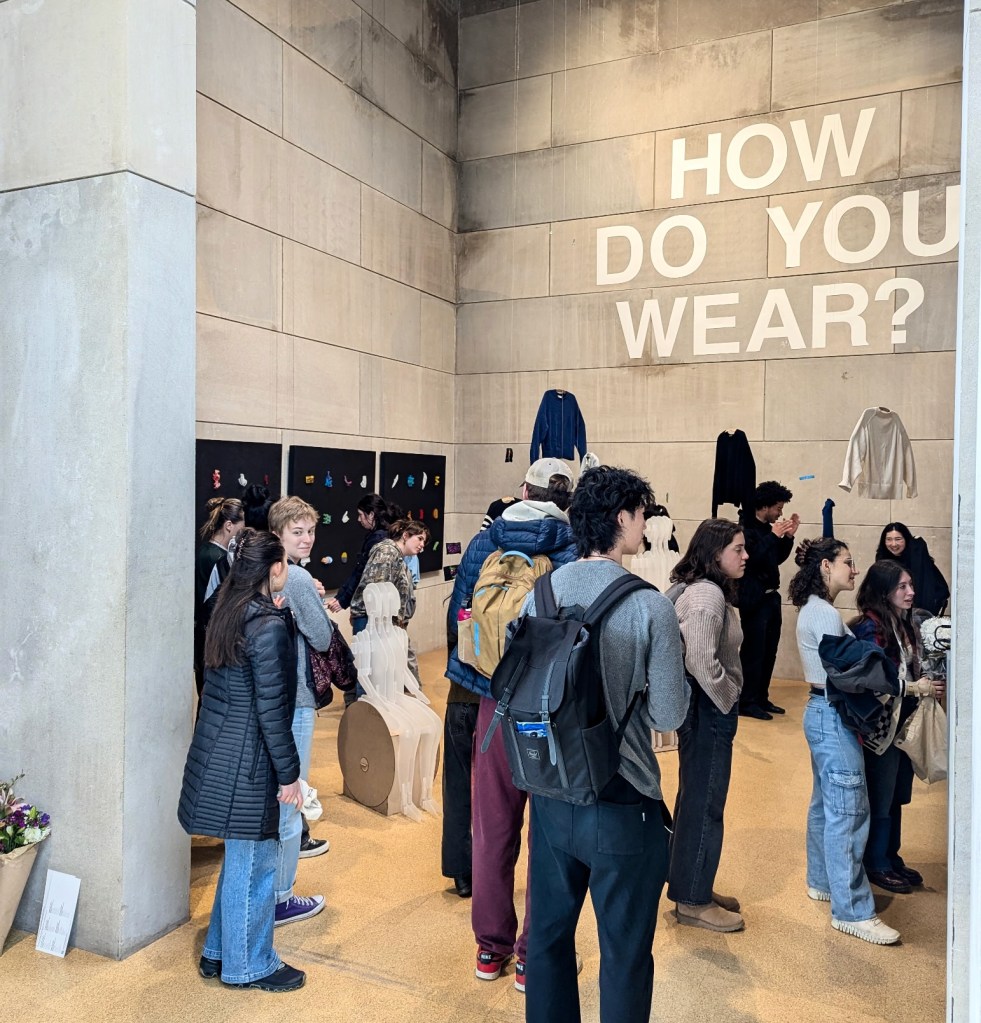
Big news — I just graduated from Wes! Senior spring flew by, and I’m thrilled to share that my thesis, “How Do You Wear?,” was completed in late April and received High Honors from the University. I loved every moment of working in the disability space. As well, it was especially rewarding to incorporate computational fabrication methods like 3D printing and laser cutting, pushing myself to expand on my knowledge and familiarization with the tools.
Currently, I’m collaborating with another Wesleyan alum to pitch our story to podcast shows, exploring exciting new ways to share this work with a broader audience.
I also wrapped up two fantastic years as a 3D scanning and printing technician in Wesleyan’s archaeology lab. This role allowed me to grow as a leader, mentoring an underclassman to continue my work. Together, we restored an old Ultimaker printer for high-detail, dual-extrusion archaeological prints, deepening my comfortableness with messing with the hardware of 3D printers.
As I enter this next chapter, I’m actively seeking opportunities in design, innovation, and storytelling — especially roles that include research on and utilization of fabrication methods. Please feel free to reach out with leads or advice!
Looking forward to what’s next!


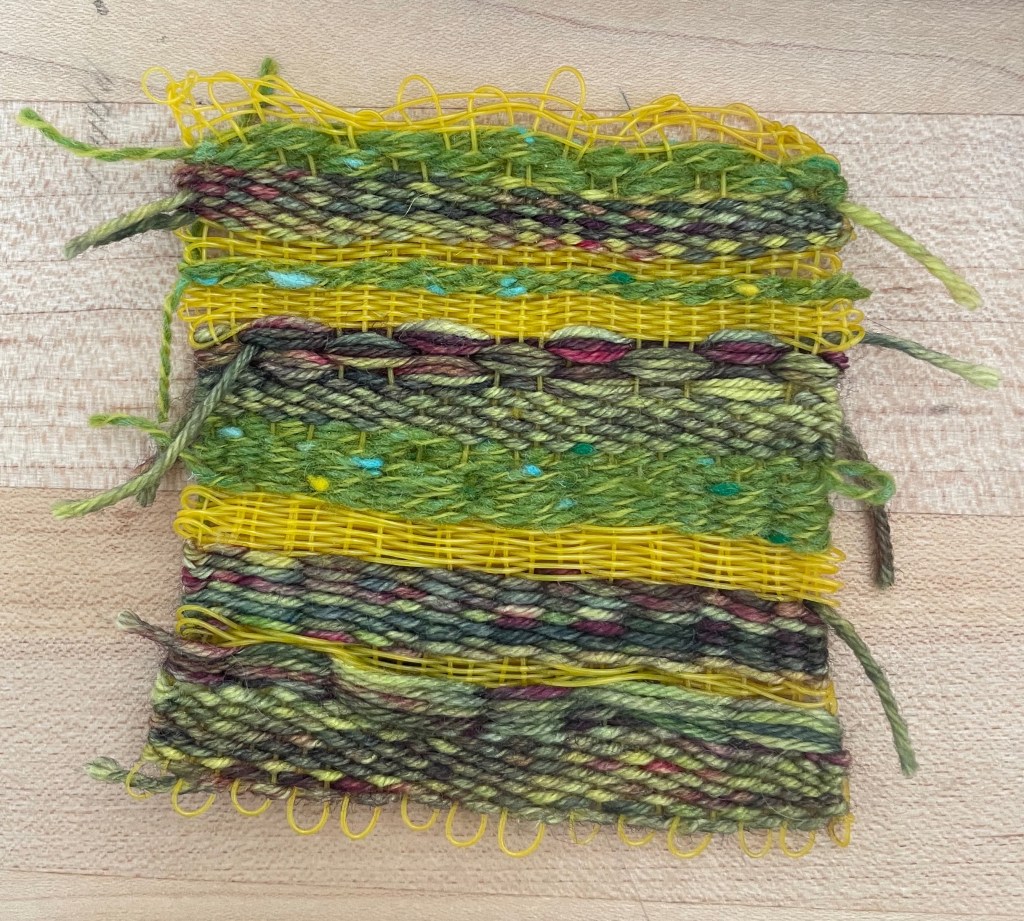


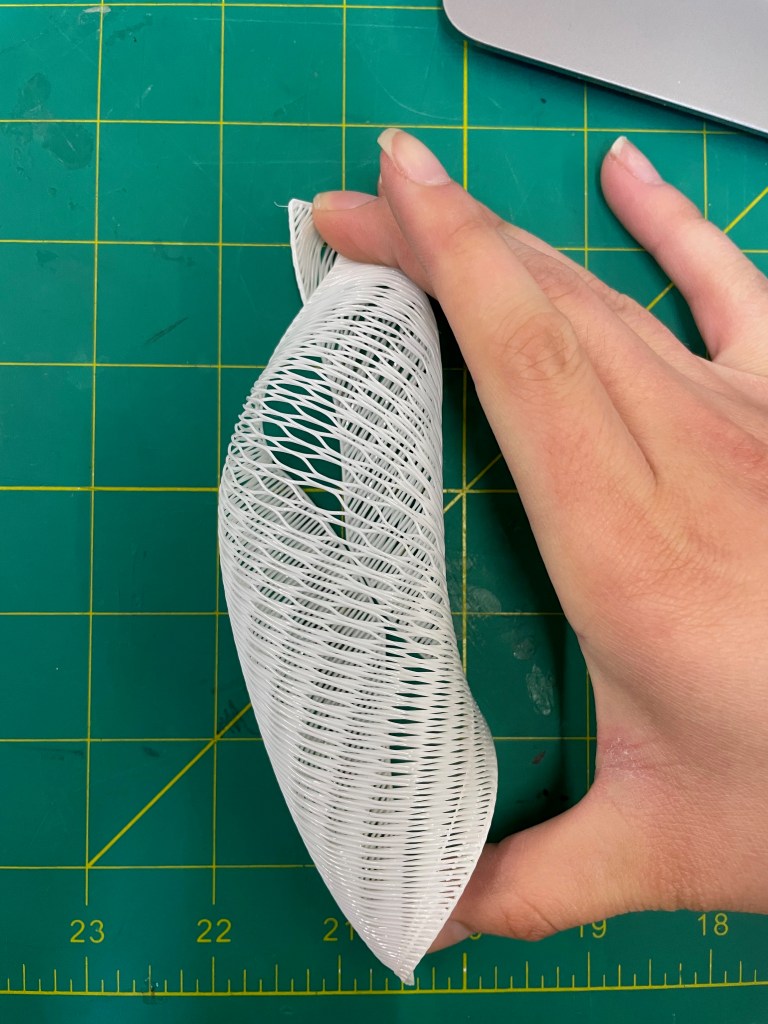
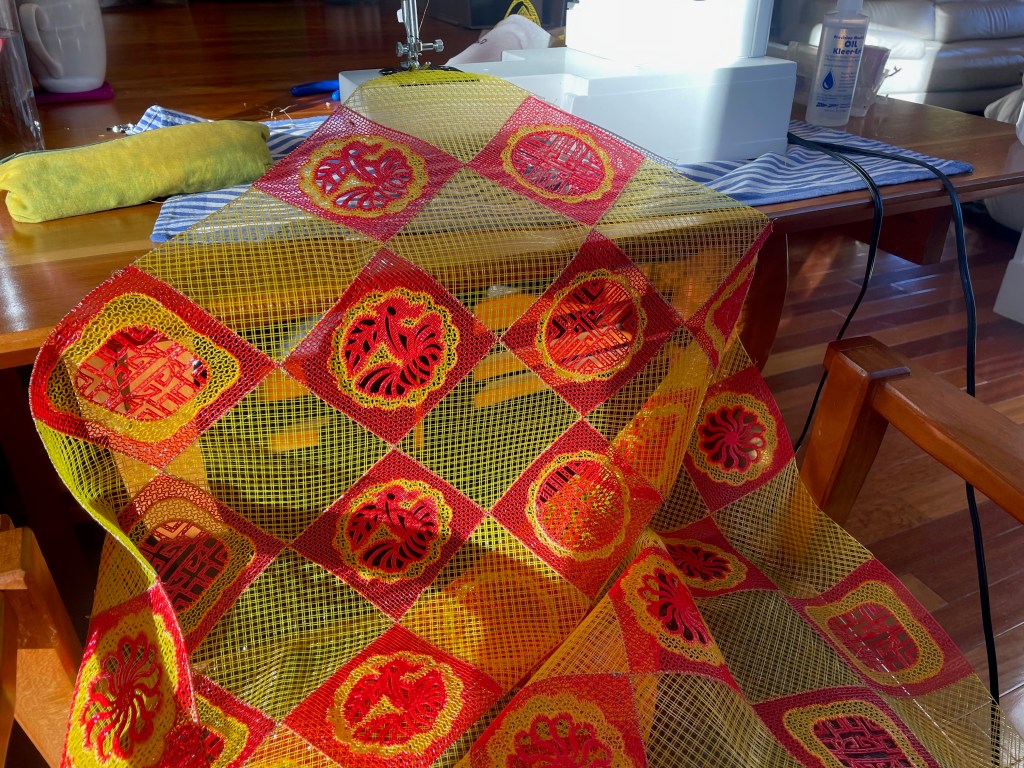
5 of my ’48 squares’ shown in my thesis exhibition
These pieces look at methods for 3D printing textiles
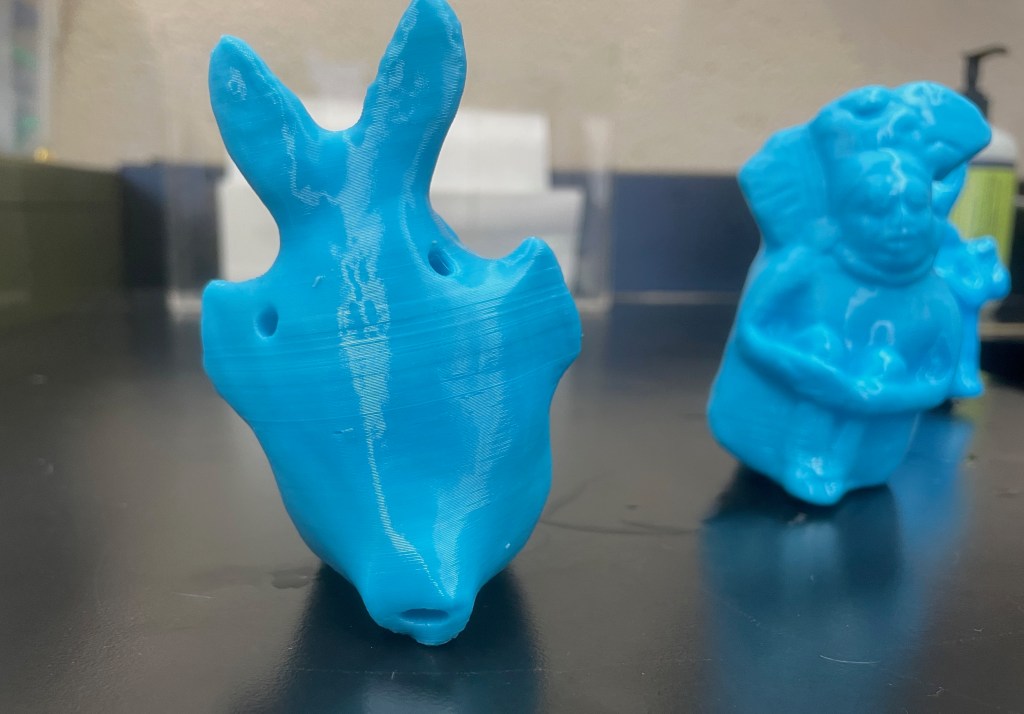
~ We were able to test them out and hear what they sounded like thousands of years ago!
Senior Fall Goings-On
Senior year! Woah, it is all going by too fast :)
Last December I was honored to be inducted into Phi Beta Kappa, the oldest and most prestigious academic honor society in the U.S. This past fall, only 15 seniors were elected from a class of around 900 students, so this feels incredibly special.
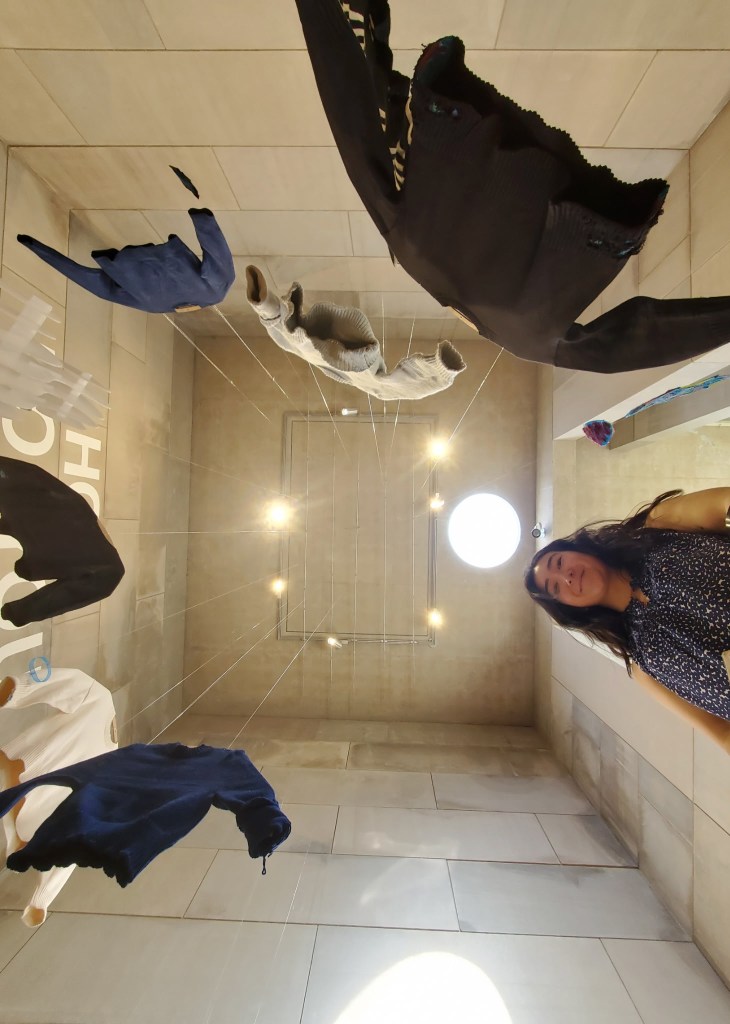
I’ve also been deeply immersed in my senior thesis, “How Do You Wear?,” which I’ll be exhibiting at Zilkha Gallery April 15-20th. My thesis addresses the lack of visibility and representation for disabled individuals like myself (who is a lifelong forearm crutch user due to a vascular malformation). By critically examining societal views of disability including assumptions of normalcy and its relation to the body, emotional labor, and microaggressions, I aim to challenge existing narratives. I’m transforming areas of wear, especially those resulting from adaptive tools like crutches and wheelchairs, into personalized expressions. Through co-design practices with disabled individuals from Wesleyan and beyond, we’re creating sweaters that address functional needs using 3D-printed textiles and knitting machines, while at the same time celebrating personal stories and narratives.
My ability to secure sponsorship and backing from Everlane, an ethical clothing brand, has amplified the project’s impact profoundly and I am so thankful to them.
I am beyond excited to continue my thesis work into the spring and hopefully even after graduation. I’ll keep you posted!



Spring/Summer 2024
Wow! A lot has happened since we checked in last! I went abroad to Sydney, Australia, attended school at the University of Sydney, traveled around to Melbourne, Byron Bay, Cairnes, Bali, and New Zealand, and successfully completed my summer internship at Zebra Technologies learning about software product management.
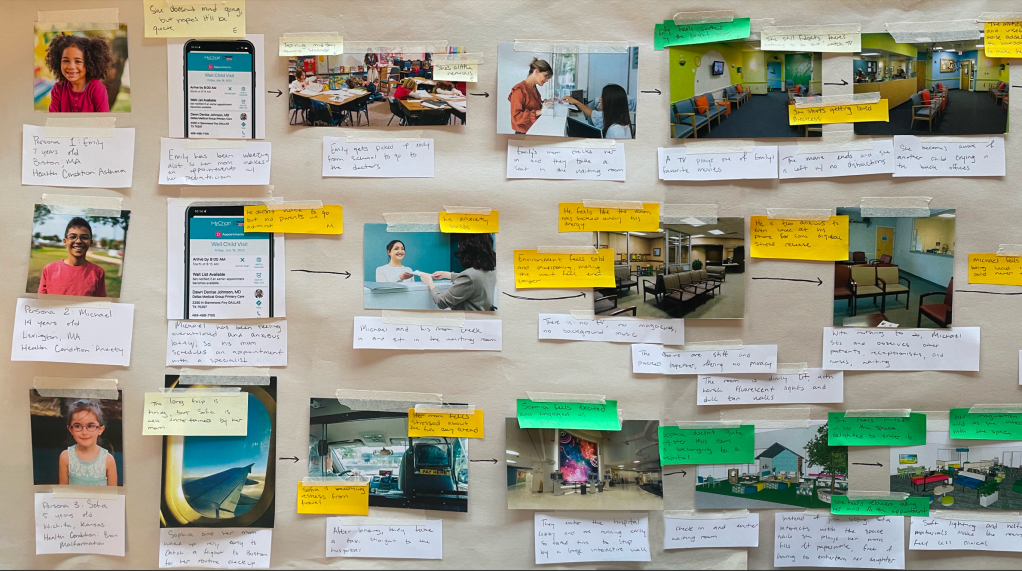
The University of Sydney was a big shift! I am so grateful to have had the opportunity to try out a school like Sydney Uni with 70,000 undergrads vs Wesleyan with our small but mighty 3,500 undergrads. I took a User Experience Design Studio course that I loved! We spent the entire semester working on a single project in small groups. I was able to take a brief from its initial research stage, to an analyzation and insight gathering period and then further on to mid-fidelity and finally hi-fidelity prototypes and a poster. I found the research and interviewing stage fascinating as I became an expert in a very niche topic.
My summer internship was also very rewarding! I had the opportunity to work as a Software Product Management Intern under Eva Bitteker, a Senior Director of Product Management at Zebra Technologies, a hardware company that supports over 80% of Fortune 500 companies. The chance to contribute to diverse projects with real implications was invaluable. I completed 6 projects, including analyzing customer requests, process flow mapping, gathering requirements for customer needs, and developing a public-facing SharePoint site to help clients understand our value. I analyzed over 1,500 JIRA tickets to create a comprehensive proposal to better manage future product implementations, which was presented to CEO Bill Burns. Eva’s encouragement and patience were truly appreciated, and I feel that I have grown significantly, both in terms of hard skills and soft skills.


Junior Fall!
This past semester (Fall 2023) I was officially approved for a University Major in Computational Design at Wesleyan!
I took product design (view my work here) with Yu Nong Khew which challenged me to lean into art studio at Wes and all it has to offer. I fell in love with this course and grew with each projects diverging asks. In doing so, I gained a deep understanding of form and the social responsibility of a designer.
Simultaneously, I continued my CS journey with Software Engineering which renewed my passion for the subject. We tackled both front and back end development throughout the course. The most fulfilling aspect of this work was learning to create a REST API to connect my front end to the MySQL database. You can view my Github here.
Along with my academic courses, I had the opportunity to join two labs. After taking several courses with Professor Brunson, she asked me to join her team as a 3D scanning/printing technician and collections assistant. With the help of my lab mates, I learned Artec, a 3D scanning technology, and taught them how to 3D print our scans of Wesleyan’s Archaeology and Anthropology Collections in the IDEAS lab.
Wesleyan’s Soft Robotics Lab was brand new this year, headed by Professor Roberts, and as soon as I heard about her interest in intertwining knitting with robotics and CS I knew I wanted to join. I spent the semester developing, testing, and gathering data on textiles to be used for custom chest binders, making historically inaccessible custom compression garments accessible.


Summer 2023 Happenings
This summer I had the opportunity to work with the Wesleyan Computer Science Department as a Research Assistant. I conducted data analysis and visualization to assist Professor Victoria Manfredi in interpreting the results of her research on the application of machine learning to computer networks. I taught myself to use the mobility scenario generator Bonnmotion and Python’s Pandas library. Using the data she collected, I created visualizations such as graphs informing of node xy location change, package movement, node density data, and node degree data to understand the influence of the machines learning algorithm on decision making techniques over time.
Simultaneously, I had the privilege to participate in IBM’s Accelerate Program. This is a selective program focused on career prep and professional development. I participated in the design track, which included lectures and group work on design history, industry, and specialties given by amazing and experienced designers. I gained a deeper understanding of my responsibility as a designer, including a better awareness of some of the unintended consequences of design.


 Sydney Keller